Eight Benefits of Multi-Factor Authentication (MFA)

Mar 24, 2025
-minute read
Senior Director, Product & Solution Marketing

Using multi-factor authentication (MFA) to bolster password security with another form of authentication is proven to keep hackers out of your systems. Because attackers must overcome more than just a stolen password, MFA significantly reduces the risk of breaches. According to Microsoft, MFA can prevent 99.2 percent of attacks on your accounts1.

Key Takeaways


  • Multi-factor authentication (MFA) prevents 99.2% of account compromise attacks2.
  • Cyberattacks involving stolen credentials account for 49% of data breaches3.
  • MFA integrates with SSO to improve both security and user convenience.
  • Adaptive MFA adds extra security layers for high-risk scenarios like public networks.

What is MFA and How Does It Work?

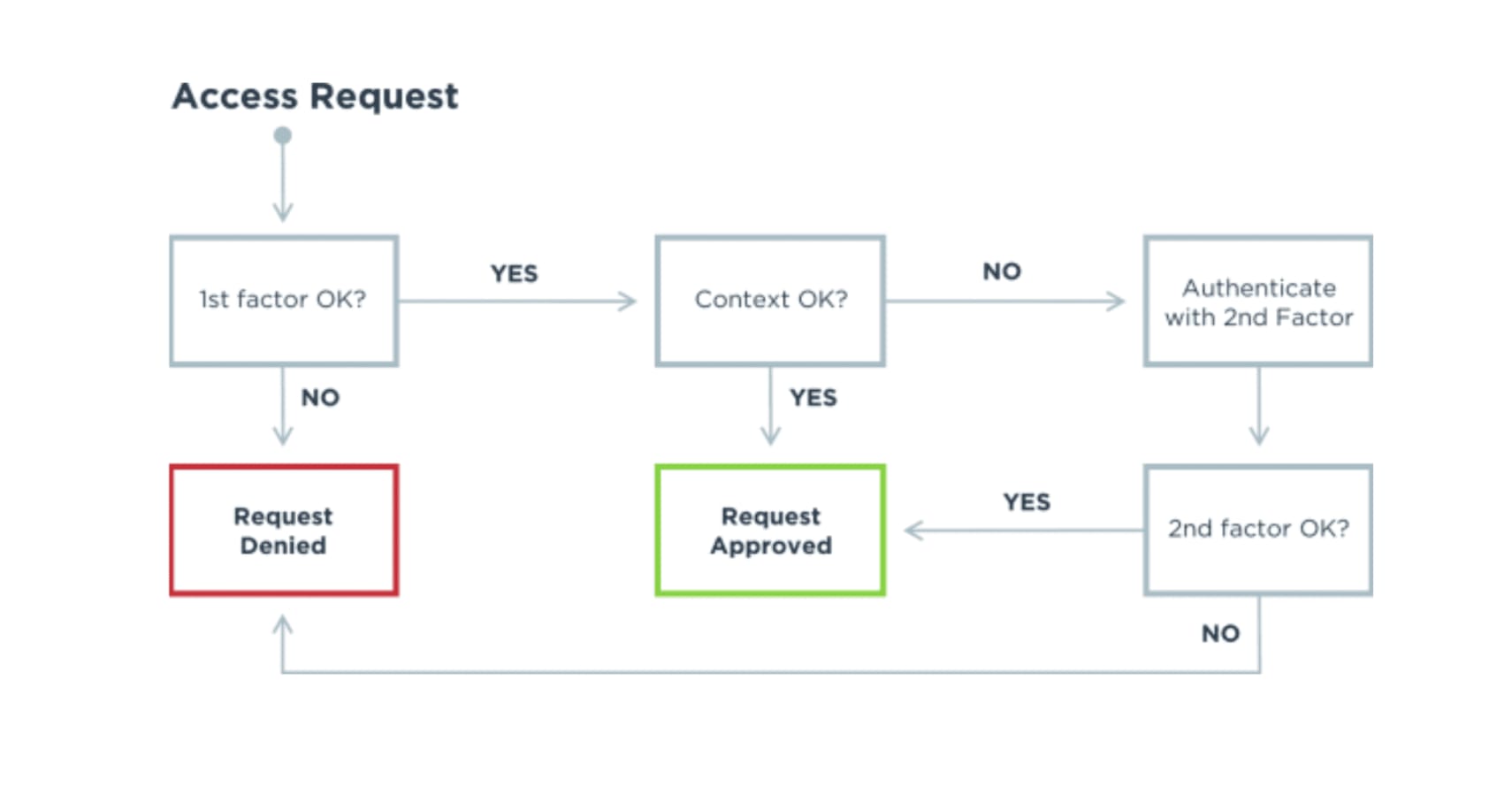
Authentication proves that users are who they claim to be. Multi-factor authentication (MFA) enhances this by requiring users to present two or more forms of verification from different categories before granting access. If one factor is compromised, the attacker cannot gain access without the others. 

Authentication Factors:


  • Something you know (knowledge)

    Passwords, PINs, and security questions fall into this category. However, these are increasingly vulnerable to phishing attacks and data breaches.

  • Something you have (possession)

    Examples include smartphones, key fobs, and smartcards. One-time passcodes (OTPs) and generated tokens often verify possession.

  • Something you are (inheritance)

    Biometric factors such as fingerprint scans, facial recognition, and voice authentication provide highly secure options.


What Makes MFA Unique

Unlike traditional single-factor authentication, MFA combines the strengths of multiple verification methods to address diverse cybersecurity threats. Its flexibility allows organizations to implement scalable solutions tailored to their risk environment.

Why is it Important to Use Multiple Factors of Authentication?

A single compromised password allowed hackers to disrupt the Colonial Pipeline in 2021 because no secondary authentication was required. High-profile incidents like this highlight why password-only systems are no longer enough to protect sensitive systems and data.


Employees, customers, and third parties are susceptible to phishing and scams. MFA mitigates these risks by requiring additional layers of authentication, making it exponentially harder for attackers to succeed.


Decision tree showing how access requests work with MFA from request to either approval or denial


How Widespread is Credential Theft?

Credential theft is a growing global concern, with a significant portion of stolen data ending up on illicit marketplaces.


This staggering number highlights the accessibility of sensitive information to cybercriminals, often at low costs. Stolen credentials are frequently leveraged for attacks like credential stuffing, where automated bots try thousands of username-password combinations to gain access to accounts. With such an extensive pool of compromised data available, enterprises without robust security measures like MFA face heightened risks of breaches, financial losses, and reputational damage.

What are the Benefits of MFA?

1. Increases Security

MFA bolsters cybersecurity by requiring users to provide multiple forms of authentication. By combining factors like passwords, biometrics, and possession-based tokens, MFA creates a layered defense that is significantly harder for attackers to bypass. Even if one factor, such as a password, is stolen or compromised, hackers are unlikely to have access to the additional required credentials, effectively preventing unauthorized entry.


2. Reduces Risk from Compromised Passwords

Passwords remain the most common—and most vulnerable—form of authentication. Many users fall into risky behaviors such as reusing the same password across multiple accounts or choosing weak, easily guessed combinations.


According to the 2023 Verizon Data Breach Investigations Report, 49% of data breaches involved the use of stolen credentials4. MFA mitigates this risk by making stolen passwords insufficient on their own to gain access. This significantly reduces the attack surface for credential-based threats like phishing and brute-force attacks.


3. Customizable Security Solutions

One of the standout features of MFA is its adaptability to different security needs. Enterprises can choose from a wide variety of authentication options within each factor category. For example:


  • Knowledge-based factors: Passwords, PINs, or security questions.

  • Possession-based factors: OTPs, hardware tokens, or mobile push notifications.

  • Biometric factors: Fingerprint or facial recognition.

This flexibility allows organizations to implement MFA setups that suit their infrastructure, user base, and risk profile.


4. Compatible with Single Sign-On (SSO)

MFA works seamlessly with single sign-on (SSO) solutions to strike a balance between security and convenience. SSO allows users to log in once and access multiple systems or applications without needing separate credentials for each.


When MFA is integrated with SSO, it enhances security while simplifying the login experience for users. Employees benefit from fewer login interruptions, while administrators reduce the risk of password reuse and the burden of password resets.


5. Scalable for Changing User Bases

MFA is designed to accommodate the evolving needs of modern organizations. As businesses grow and diversify, they need security solutions that can scale to support employees, customers, and external partners.


With MFA, organizations can:


  • Grant secure access to sensitive systems for third-party vendors.

  • Enable secure remote work for employees across the globe.

  • Offer customers secure authentication for online transactions and account management.

Additionally, MFA helps reduce help desk calls related to password resets, saving time and operational costs.


6. Ensures Regulatory Compliance

Many industries operate under strict regulations requiring strong authentication measures like MFA. Implementing MFA helps organizations meet these compliance standards, including:


  • Payment Card Industry Data Security Standard (PCI-DSS): Mandates MFA for access to payment systems to prevent unauthorized transactions.

  • Payments Services Directive 2 (PSD2): Enforces strong customer authentication in the European Union for financial transactions.

  • Health Insurance Portability and Accountability Act (HIPAA): Requires MFA to secure protected health information in the healthcare sector.

Failure to comply with such regulations can result in steep fines and legal repercussions, making MFA a necessary investment.


7. Enhances Enterprise Mobility

Remote work has become a cornerstone of the modern business landscape, with employees requiring secure access to company resources from various locations and devices. MFA ensures that mobility does not come at the expense of security.


By requiring multi-factor authentication for access, employees can safely log into applications, systems, and networks while working remotely. This flexibility enhances productivity while maintaining robust protection for sensitive company data.


When paired with SSO, MFA simplifies access across devices, reducing login fatigue and increasing user satisfaction.


8. Adapts to Context and Risk

Adaptive MFA uses contextual data to assess the risk level of each authentication attempt and applies additional verification steps as needed. For example:


  • Geolocation: Access requests from unusual or high-risk locations may prompt additional verification.

  • IP Address: Connections from suspicious or public networks (e.g., coffee shops or shared Wi-Fi) may require extra authentication factors.

  • Device Reputation: Unrecognized or new devices may trigger a step-up in authentication.

This dynamic approach ensures that users face minimal friction during routine access while adding critical layers of security during high-risk situations. Adaptive MFA effectively balances security with usability, making it a valuable feature for organizations across industries.

What is the Risk of Not Using Multi-factor Authentication?

MFA protects against phishing, social engineering, and brute-force attacks, which exploit weak or stolen credentials. According to Digital Shadows, 15 billion credentials are for sale on the dark web.


Not implementing MFA increases the likelihood of data breaches, financial losses, and reputational damage. Governments and organizations are prioritizing cybersecurity, and MFA adoption is a critical step in fortifying defenses.


Today's identity threat landscape is full of unrelenting attacks that target your employees, Partners, and customers.
However, new APPs and resources that users rely on to enable digital business are exposing Sensitive data, intellectual property, and personal information.
Deploying multi-factor authentication everywhere is the clear way to prevent account Takeover attempts and costly security breaches, but the challenge is balancing increased Protection with a seamless End-User experience.
Enter PingOne, an enterprise-proven cloud delivered MFA solution built with security and Convenience in mind.
PingID gives your users options.
A broad range of secondary factors, from smartphones and hard tokens to desktop Applications and one-time passcodes are available to satisfy the needs of any user Population.
Ping ID is intelligent.
By leveraging contextual data such as geolocation or IP address, Adaptive policies allow you to define when users should have access without interruption.
You can also require MFA during high-risk scenarios such as access from new devices or Time since the last successful login.
With PingOne ID, more security means a better experience and happier users.
PingOne is versatile.
It works with Windows login, Office 365, VPN access, single sign-on, access management systems, or APIs.
You can even embed PingOne ID directly into your own customer-facing mobile apps, Enabling strong authentication and custom transaction approvals.
Now you can empower users to conveniently access what they need when they need it, all without compromising security.
In these uncertain times, it's never been more important to confirm the identity of your Employees, partners, and customers, and it's never been easier to provide a seamless user Experience that's both unobtrusive and reliable.
PingID delivers MFA everywhere, freeing users to work without boundaries.

Industries Benefiting the Most from MFA

Multi-factor authentication (MFA) is a critical security measure across various industries, especially those handling sensitive data or operating under stringent regulatory requirements. By implementing MFA, organizations in these sectors can mitigate risks, comply with regulations, and safeguard their systems against cyberattacks. Below, we explore how MFA benefits specific industries.


Finance

The financial sector is one of the most targeted industries for cybercrime, with attackers seeking access to customer accounts, payment systems, and sensitive financial data. MFA is pivotal in mitigating these threats by:


  • Protecting online banking and payment systems from fraud.
  • Preventing unauthorized access to financial records and systems.

  • Enabling compliance with regulations like the Payment Card Industry Data Security Standard (PCI-DSS) and the Payment Services Directive 2 (PSD2) in the EU.

MFA ensures secure authentication for both customers and employees, enhancing trust in financial institutions while safeguarding transactions.


Healthcare

Healthcare organizations manage vast amounts of sensitive patient data, including electronic health records (EHRs) and protected health information (PHI). These records are prime targets for cybercriminals due to their high value on the black market. MFA is essential in healthcare for:


  • Preventing unauthorized access to EHRs and hospital systems.

  • Securing remote access for healthcare professionals.

  • Complying with regulatory frameworks like the Health Insurance Portability and Accountability Act (HIPAA).

By deploying MFA, healthcare providers protect patient confidentiality, reduce the risk of data breaches, and ensure uninterrupted access to critical systems during emergencies.


Technology

Technology companies often house intellectual property, trade secrets, and large volumes of user data. A breach in this sector could result in severe financial and reputational damage. MFA provides:


  • Robust security for cloud-based services, applications, and user accounts.

  • Protection against insider threats and external attacks.

  • A scalable solution to secure access for employees, customers, and contractors.

With cyber threats evolving rapidly, technology firms rely on MFA to stay ahead of attackers while maintaining seamless access for their users.


Government and Defense

Government and defense agencies deal with classified information and critical infrastructure systems. A single security lapse can have far-reaching consequences. MFA plays a vital role in:


  • Safeguarding classified documents and sensitive communication channels.

  • Preventing unauthorized access to secure facilities and systems.

  • Meeting security standards outlined in frameworks like FedRAMP and NIST 800-63 in the United States.

MFA ensures that only authorized personnel can access sensitive systems, reducing the risk of espionage, sabotage, and cyber warfare.


Retail and E-commerce

The retail and e-commerce sectors handle large volumes of financial transactions and customer data, making them attractive targets for attackers. MFA protects this industry by:


  • Securing online checkout processes and payment gateways.

  • Preventing account takeovers in customer loyalty programs.

  • Reducing the risk of fraud and chargebacks.

By implementing MFA, retailers enhance customer trust and protect their brand reputation in an increasingly digital shopping landscape.


Education

Educational institutions are becoming frequent targets for ransomware attacks and data breaches due to their reliance on digital tools and large user bases. MFA helps by:


  • Securing access to student and faculty accounts.

  • Protecting research data and intellectual property.

  • Preventing unauthorized access to online learning platforms.

Whether for K-12 schools or higher education, MFA is a key component of a comprehensive cybersecurity strategy for the education sector.


Energy and Utilities

The energy and utilities sector is a critical component of national infrastructure, and its systems are frequently targeted by sophisticated cyberattacks. MFA enhances security by:


  • Securing operational technology (OT) systems that control power grids, pipelines, and water supplies.

  • Protecting employee accounts and remote access systems.

  • Complying with regulations such as NERC-CIP in the energy sector.

With MFA in place, energy providers can reduce the risk of disruptions caused by cyber incidents, ensuring the reliable delivery of essential services.


FAQs for MFA

PingOne MFA allows users to authenticate via push notifications, biometrics, OTPs, or time-based one-time passwords (TOTP) using apps like Google Authenticator.

Think of MFA as a bank requiring multiple forms of identification to open a safe deposit box. Missing even one form denies access.

Multi-factor authentication (MFA) requires proof of a user’s identity from two or more authentication categories. Two-factor authentication (2FA) is a subset of MFA and requires proof of a user’s identity from two categories.

Cloud-based MFA solutions are maintained by cybersecurity experts, offering scalability and agility against evolving threats.

Requiring multiple authentication methods for third parties limits exposure to potential vulnerabilities.

MFA that Customers Actually Want to Use


Use multi-factor authentication to strike the right balance between security and convenience.


Share this Article:
Related Resources

Start Today

See how Ping can help you deliver secure employee, partner, and customer experiences in a rapidly evolving digital world.